
Mardi Himal Base Camp Trek: A Journey to Inner Joy
Mardi Himal Base Camp Trek: A Journey to Inner Joy
Date Expired !
Overview
“At Mardi Base Camp, you’re not just closer to the mountains—you’re closer to yourself.”
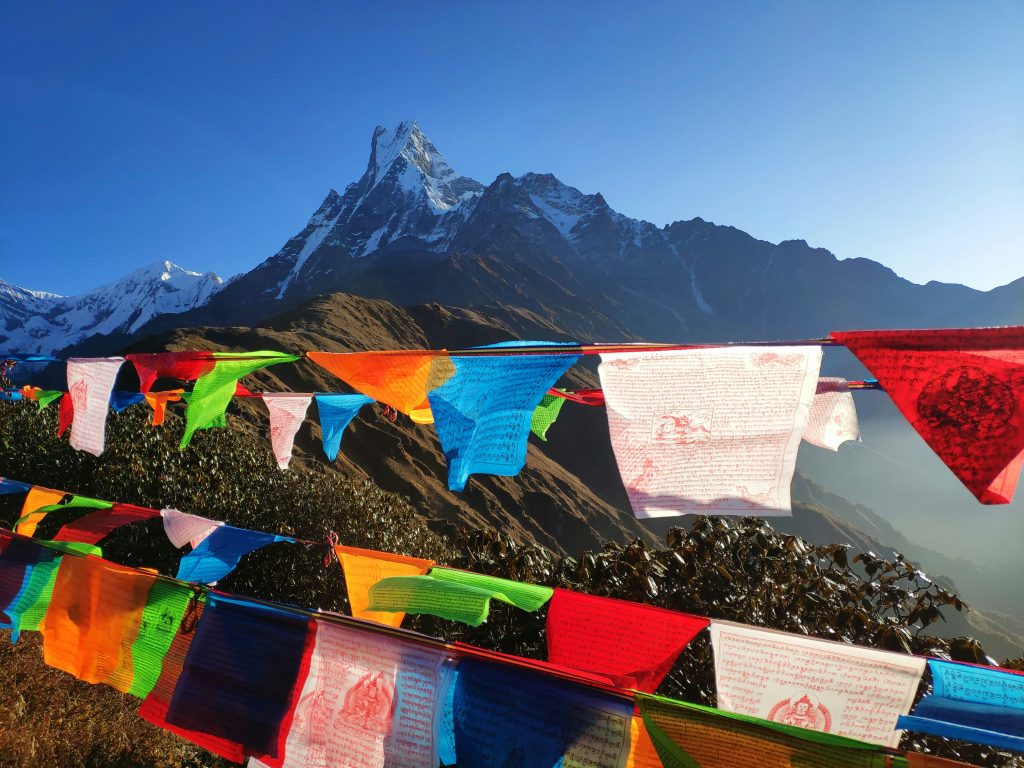
Nestled in the serene embrace of Machapuchare (Fishtail) and the grand Annapurna range, the Mardi Himal Base Camp Trek stands out as one of Nepal’s best-kept secrets. This tranquil path meanders through pristine landscapes, charming villages, and ancient woodlands. Recently opened to trekkers, this less-frequented route offers a peaceful Himalayan experience, far removed from the bustling trails of its more famous counterparts. The trek takes you from the lush subtropical lowlands to the breathtaking heights of Mardi Himal Base Camp (4,500m). Along the way, you’ll traverse vibrant rhododendron forests that explode with color in spring, eventually emerging onto expansive grassy ridges that provide stunning views of Machapuchare, Annapurna South, and Hiunchuli. The sunrises and sunsets here are a spectacle, painting the sky in brilliant golds and reds, making the snow-capped peaks feel almost within reach.
As you journey, you’ll encounter cozy teahouses run by local families who warmly welcome you with ginger tea and homemade dal bhat, all while you relax by the fire. The traditional Gurung villages dotting the lower slopes are steeped in a rich culture of hospitality, agriculture, and a deep reverence for the majestic mountains surrounding them. As you ascend, the terrain becomes rugged and wild. Yaks graze peacefully, and Himalayan birds soar overhead, while the gentle whispers of prayers drift from stone chortens and fluttering prayer flags. The atmosphere is so tranquil that the only sounds you hear are your footsteps and the distant murmur of mountain streams. Though relatively short, the Mardi Himal Trek feels timeless. Here, time slows down, allowing you to shed the burdens of modern life with each step. Whether you’re exchanging stories with fellow trekkers or simply gazing at the stars, this trek offers a humbling and inspiring experience. The Mardi Himal Base Camp Trek is not just a journey to a viewpoint; it’s an exploration into the heart of the Himalayas, where nature and culture intertwine beautifully.
Accessibility
Mardi Himal Trek offers a serene experience in the Annapurna region, with elevations ranging from 1,070 to 4,500 meters. Thanks to improved infrastructure, getting to the trailhead is relatively straightforward, and with some planning, you can ensure a smooth journey. Unlike more remote areas, you won’t need special permits beyond the standard ACAP and TIMS, making it more accessible. Your journey to the trek’s start typically involves a mix of flights and scenic drives, allowing you to tailor your adventure to your preferences.
𖥟 By Air
For a quick start, consider a 25-minute flight from Kathmandu to Pokhara, the gateway to the Annapurna in Nepal. This brief flight offers stunning views of the Langtang, Manaslu, and Annapurna ranges. From Pokhara, it’s about a 1.5-hour drive to Kande (1,770m), the usual starting point for the trek. Keep in mind that weather can disrupt flights, particularly during the monsoon or winter months, but flying saves time. For those seeking a more luxurious or condensed itinerary, helicopter rides from Pokhara to Australian Camp or Mardi High Camp are also available. While air travel is convenient for short treks, it may limit your exposure to the local culture.
𖥟 By Road
Reaching Mardi Himal by road is quite simple. From Kathmandu, you can enjoy a 6–8-hour drive to Pokhara along the Prithvi Highway, passing through lush hills, riverside villages, and bustling market towns. After an overnight stay in Pokhara, you can continue by private vehicle or jeep to Kande or Phedi, where the trek begins. These road trips offer a taste of Nepal’s rural charm, with opportunities to stop at roadside eateries for momos and tea, admire the Seti River, and catch glimpses of daily life in Gurung communities. While slower than flying, traveling by road provides a richer cultural experience and a gradual immersion into the landscapes you’ll soon explore on foot.
Amenities
While the Mardi Himal Trek is more accessible than remote areas like Nar Phu, it still offers limited amenities. At higher elevations, facilities are basic, with little electricity, moderate mobile connectivity, and minimal medical services. Trekkers should carry enough cash, personal hygiene items, and water purification kits. Although services are readily available in nearby locations like Pokhara, amenities on the trek itself are scarce. Despite these challenges, the stunning scenery and tranquil mountain trails make the experience worthwhile.
✻ Accommodation and Provision
you can find village teahouse accommodations featuring basic rooms with simple beds, pillows, and blankets. Bathrooms are usually shared, and some places offer hot showers for a fee. Teahouses typically serve basic Nepali meals such as dal bhat, fried rice, pasta, and Tibetan bread for lunch and dinner. While the menu options are slightly more diverse than on solo treks, it’s still wise to bring your snacks like nuts, chocolate, or energy bars. Safe drinking water is available for purchase at teahouses, but it’s a good idea to carry purification tablets or a filtration system to avoid buying plastic bottles and ensure a steady supply.
✻ Electricity and Charging Facilities
Electricity along the Mardi Himal trail is more accessible than in very remote areas, provided by solar or small hydropower. Most teahouses allow you to recharge your devices, usually for a fee of USD 1–2 per hour. Charging is typically prioritized in shared areas, and power may be limited on cloudy days. To avoid any inconvenience, bring a fully charged high-capacity power bank (at least 10,000–20,000mAh) and manage your device usage to conserve battery life during the trek.
✻ Internet and connectivity
Mobile network coverage can be quite limited in certain areas of the Mardi Himal Trek. While Ncell and NTC networks may work in lower regions like Kande and Deurali, the signal tends to fade or disappear as you ascend to High Camp. Some teahouses might offer paid Wi-Fi, but it’s often slow and unreliable. For your safety, it’s a good idea to inform friends and family of your itinerary in advance and be prepared for limited communication during the trek, especially at higher altitudes.
✻ Health and Medical Facilities
Medical services along the Mardi Himal Trek are quite basic. Although there are hospitals and clinics in Pokhara, the trail itself offers only limited medical assistance, primarily basic first aid from teahouse staff or fellow trekkers. It’s advisable to bring a personal first-aid kit that includes medications for altitude sickness, stomach issues, cold symptoms, and wound care. Be vigilant for signs of altitude sickness at elevations above 4,000 meters and descend immediately if symptoms worsen. Having insurance that covers emergency helicopter evacuation is highly recommended in case a rescue becomes necessary.
✻ Banking and Payment Facilities
There are no banking facilities or ATMs available along the Mardi Himal trail. The last reliable location to withdraw cash or exchange currency is in Pokhara. Ensure you have enough Nepalese Rupees to cover your accommodation, meals, permits, and additional expenses like charging fees, Wi-Fi, and snacks for the entire trek. Card payments are not accepted on the trail, so it’s wise to carry cash in small denominations and store it securely in various places within your backpack or clothing.
Echoes Of Locals
The Love Story of King Pashramu and Queen Yambawati Long ago, in the mountains of what we now call Mardi Himal, there lived a kind and courageous king named Pashramu. One day, while hunting in the forest, he encountered a gentle and beautiful woman named Yambawati. They fell deeply in love, soon married, and welcomed a child into their lives. Under their rule, peace reigned, and the people thrived. However, one day the king had to leave for war. He promised Yambawati he would return, but he never did. When the news of his death reached the queen, her heart broke. Overwhelmed with grief, she chose to follow the ancient custom and join her husband by sacrificing her own life on his funeral pyre.
This poignant love story has been passed down through generations. Even today, during a special festival called Ghatu, young girls in Gurung villages dance and reenact the tale of King Pashramu and Queen Yambawati. Dressed in their finest clothes, they sing folk songs, and as they dance, it is said that the spirits of the past come alive within them. For the people living near Mardi Himal, this is more than just a story. It serves as a reminder of love, longing, and the rich traditions that shape their way of life. If you listen closely while trekking through the forests and villages, you might just hear the old melodies of Ghatu carried on the mountain breeze.
Inclusion and Exclusion
Inclusions & Services Provided
☑ Full-Board Meals – Enjoy wholesome and energy-dense meals (breakfast, lunch, and dinner) daily, specially designed for high-altitude trekking.
☑ Daily Beverages – Stay hydrated with four rounds of tea or coffee daily, including morning, mid-day, afternoon (with light snacks), and evening.
☑ Evening Treats – Fresh seasonal fruits served post-dinner for a healthy and satisfying end to your meals.
☑ Comfortable Accommodation – Stay in comfortable, well-maintained teahouses along the trail, offering warmth, hospitality, and stunning mountain views.
☑ Professional Trekking Support – Hike with a licensed, insured, and experienced guide, along with porter support (1 porter between 2 trekkers) for a seamless and enjoyable trek.
☑ Effortless Transfers & Permits – Private vehicle transfers and all trekking permits (Sagarmatha National Park, Khumbu Rural Municipality) arranged for your convenience.
☑ Safety & Health Monitoring – Daily oxygen level and heart rate monitoring, first-aid kit, and helicopter arrangement in an emergency (insurance paid) for your safety.
☑ All-Inclusive Pricing – Govt. taxes, service charges, and an assistant guide for a group of 5+ trekkers for a hassle-free experience.
☑ Lifetime Deposit Policy: Secure your spot with a lifetime deposit, allowing you to postpone or reschedule your trek without losing your booking deposit
☑ Free Booking: Secure your trek without any initial payment, allowing you to organize and finalize your trip at your convenience—no risk, no pressure.
Exclusions: What’s Not Included
☒ Pre-Trek Arrangements – Accommodation and meals in Kathmandu before and after the trek are not included.
☒ Visa & Entry Fees – Nepal entry visa fees must be arranged separately ($50 for a 30-day visa, payable on arrival).
☒ Insurance – Travel, trekking, and medical insurance are mandatory for safety and emergency evacuation coverage.
☒ Travel Costs – International airfare to and from Nepal is not included in the package.
☒ Beverages & Personal Expenses – Alcoholic and non-alcoholic drinks, snacks, souvenirs, and other personal expenses are at the trekker’s discretion.
☒ Teahouse Amenities – Hot showers, Wi-Fi, and battery charging at teahouses are available at an extra cost.
☒ Gratuities – Tips for guides, porters, and drivers are not included but are customary and highly appreciated.
We cover all the essential aspects of your trek so you can focus entirely on the adventure. These exclusions ensure transparency, allowing you to plan accordingly for a smooth and well-prepared experience in the Himalayas.
Required Permits:
✔ Annapurna Conservation Area Permit (ACAP)
Fee
🔸 NPR 3,000 (about USD 25) per person for foreigners.
Purpose
🔸 Assists in protecting and conserving the Annapurna Conservation Area.
✔ Trekkers’ Information Management System (TIMS) Card
Cost
🔸 NPR 2,000 (about USD 15) per person for individual trekkers.
Purpose
🔸 Registers your trek to help with safety, tracking, and emergency aid.
Permits conditions
✻ Mandatory Guide
Solo trekking is now prohibited, even for well-known trails such as Mardi Himal, according to existing trekking regulations in Nepal. Solo trekking trekkers must be accompanied by a licensed guide through a registered trekking agency with the Nepalese government for proper organization and safety.
✻ Minimum Group Size Requirement
Unlike regulated areas, there is no minimum group size of participants needed to access Mardi Himal. You can climb solo if only you’ve hired a registered guide.
✻ Copies of Passports
You are needed to furnish original copies of passports and passport photos during ACAP and TIMS permit applications. They are needed for the permit process and also for registration as a guide.
✻ Checkpoints
Permits will be checked at checkpoints on the trek route of Mardi Himal, such as at Kande, Forest Camp, and High Camp, so be sure to keep printed copies in your possession at all times on the trek.
Essential Advice for Trekkers
⦿ Acclimatize Properly
Ensure you take time to acclimatize to high altitudes to avoid altitude sickness. Stick to the principle of “climb high, sleep low.”
⦿ Stay Hydrated
Drink plenty of water throughout the trek. Dehydration can significantly affect your performance and overall well-being at high altitudes.
⦿ Pack Light, But Smart
Only carry the essentials. Prioritize warm clothing, a reliable pair of hiking boots, and a good-quality sleeping bag for higher altitudes.
⦿ Physical Preparation
Focus on cardiovascular and strength training exercises to build stamina. Practice hiking with a backpack to simulate trek conditions.
⦿ Mind Your Footwear
Invest in high-quality, comfortable hiking boots. Well-fitted boots are essential for tackling the rugged terrain.
⦿ Embrace Local Culture
Respect local traditions and customs. Positively engage with the local community and learn about their culture for a richer experience.
⦿ Be Prepared for the Weather
Weather conditions in the Himalayas can be unpredictable. Always bring layered clothing and be prepared for sudden temperature changes.
⦿ Follow Leave No Trace Principles
Help preserve the environment by minimizing your impact on nature. Respect wildlife and dispose of trash responsibly.
⦿ Listen to Your Body
If you feel unwell or fatigued, don’t push yourself. Rest and adjust your schedule if necessary. Remember, safety comes first.
⦿ Travel with a Licensed Guide
For safety and smoother navigation, hire an experienced, licensed trekking guide who knows the route and the terrain well.
Why Himalayan Explore Line?
🔶 Safety & Expert Guidance
Led by government-licensed guides with first-aid and crisis-management expertise.
Daily oxygen-level and altitude safety health check-ups.
Emergency response and evacuation protocols always ready.
🔶 Smooth Logistics
Essential permits and private transfers arranged in advance.
Pre-booked lodges/teahouses with verified hygiene and comfort.
Gear rentals and porter services streamlined for convenience.
🔶 Cultural & Scenic Sophistication
Immerse in Himalayan villages, ancient monasteries, and local traditions.
Trails showcasing iconic peaks, pristine valleys, and biodiverse forests.
Cultural interactions, from tea ceremonies to folklore storytelling.
🔶 Luxury Nutrition
Energy-providing nutritious meals at high altitudes.
Vegetarian, vegan, and allergy-free meal choices.
Tea/coffee break daily with local sweets.
🔶 Clear Pricing
Unambiguous packages without additional charges.
Ethical operation: fair labor practices, sustainable operations.
Inquiries and modifications available 24/7.
Our Commitment
We deliver secure, culturally enhancing Himalayan journeys with meticulous logistics, allowing you to immerse yourself in the experience.
Terms and Condition
Reservation and Payment
To confirm your booking, a 30% non-refundable deposit is required. The remaining balance can be paid before your trip. We recommend confirming your reservation before arriving in Nepal to help us plan your journey smoothly.
Payments can be made via digital wallet, credit card, or bank transfer (processing fees may apply). A 4% surcharge applies to all card payments, including deposits and other transactions. Bookings are only confirmed once you receive a Client Confirmation Letter from us. To receive this, you must complete the booking form with accurate details such as your name, contact info, and travel dates.
Policy on Cancellations and Refunds
By Client:
-
More than 2 months before departure: 80% refund
-
2 months to 29 days before: 70% refund
-
Less than 15 days before: 50% refund
-
Less than 7 days before: 50% credited toward a future trip (non-refundable if unused)
We strongly recommend purchasing cancellation insurance at booking. No refunds will be issued if you cancel after the trip has started, including for unused services like accommodation, transport, meals, or activities.
By Company:
If Himalayan Explore Line must cancel a trip due to unforeseen circumstances—such as natural disasters, flight cancellations, strikes, civil unrest, illness, quarantine, government restrictions, or severe weather—you will be offered an alternative trip of equal value and features, agreed upon mutually.
Please note that major changes do not include adjustments to airline carriers, flight schedules, or itineraries, provided the departure and return dates remain unchanged. Similarly, changes to hotel accommodations are not considered major as long as they are within the same category.
Itinerary Changes:
Weather in high-altitude areas is unpredictable, and domestic flight delays at the start or end of the trip may lead to itinerary changes. Flexibility is essential, as local conditions can affect plans, accommodations, or transport on short notice.
Clients are responsible for any extra costs caused by delays, natural disasters, or if alternative arrangements (e.g., helicopter flights) are chosen. These changes are binding, and any additional expenses beyond our control will be the client’s responsibility.
Insurance:
Himalayan Explore Line does not provide travel insurance. Clients must secure insurance covering high-altitude emergencies, medical costs (including pre-existing conditions), repatriation, trip delays, cancellations, and personal liability. Proof of insurance is mandatory. The company reserves the right to cancel your participation without a refund if valid insurance cannot be provided upon request.
Acceptance of Terms:
By booking with Himalayan Explore Line, you agree to the terms and conditions, including any updates. It is your responsibility to stay informed and comply with any changes.
F.A.Q
1. How long is the Mardi Himal Trek?
The Mardi Himal Trek is generally 7 to 10 days, depending on your schedule, acclimatization needs, and trekking speed. Extra days are a relaxing trip, side trips, and better altitude acclimatization.
2. What are the current Mardi Himal permit regulations?
Recent rules state that all trekkers must obtain:
- Annapurna Conservation Area Permit (ACAP)
- Trekkers' Information Management System (TIMS) Card
Also, employing a licensed guide is compulsory, and permits should be obtained through a registered trekking agency.
3. Is a guide necessary for Mardi Himal?
Yes. Under Nepal's new trekking policy, a licensed guide is required for all treks, including Mardi Himal. Solo trekking is no longer permitted.
4. What is the highest altitude of the trek?
The maximum elevation of the Mardi Himal Trek is Mardi Himal Base Camp at 4,500 meters (14,763 feet).
5. When to do the Mardi Himal Trek?
The best times are:
- Spring (March to May) for good weather and rhododendron blooms.
- Autumn (September to November) for good weather and mountain scenery.
6. What is the difficulty level?
The Mardi Himal trek is moderate. It's for beginners with good physical fitness, as trails include continuous ascents but no technical terrain.
7. Where does the trek start and end?
Most trekkers begin from Kande or Phedi, which are an hour's drive from Pokhara, and end the trek at Siding or Lumre, where they get back to Pokhara by road.
8. Are there teahouses on the way?
Yes, there are simple teahouses with accommodation and food along the trail. Accommodation is basic but comfortable, with minimal electricity and internet in some areas.
9. What types of food?
Common food is dal bhat, fried noodles, pasta, soup, pancakes, and tea. It is recommended to bring some additional snacks such as energy bars and nuts.
10. Is mobile network and internet available?
Mobiles (NTC and Ncell) get reception in lower parts but become weak or unavailable higher up. A few teahouses also have Wi-Fi at extra cost, though it could be slow.
11. What do I need to bring?
Here are the essentials:
- Nighttime warm layers
- Good boots for trekking
- Sleeping bag
- Water purification tablets
- Power bank
- First-aid kit
12. Do I need travel insurance?
Yes, it is highly recommended to bring travel insurance that includes high-altitude trekking and emergency evacuation.
13. How do I obtain a guide to hire?
You can hire a licensed guide from any government-registered trekking agency in Kathmandu or Pokhara. Agencies can also arrange permits and transportation.