
Khopra Ridge Trek – A Hidden Himalayan Treasure
Khopra Ridge Trek – A Hidden Himalayan Treasure
Date Expired !
Overview
“The mountains whisper secrets that only the heart can hear, and once you’ve listened, you are never the same.”
– John Muir
A hike into ancient forests, high ridges, and holy lakes, with the promising of solitude and sweeping vistas of Dhaulagiri (8,167m), Annapurna fang (southwestern face) (7,647m), and Nilgiri (7,061m). Escape the throngs and set out on the Khopra Ridge Trek, a wonderful alternative to the more crowded Annapurna Base Camp and Poon Hill treks. This trek involves dense rhododendron forests, standard Gurung and Magar settlements, and wide ridges, culminating at Khopra Danda (3,660m). Perhaps the largest attraction is the sacred Khayer Lake (4,500m), a pilgrimage site flanked by glacial summits with cultural immersion, off-the-beaten paths, and unparalleled Himalayan vistas appeal, this tour is ideal.
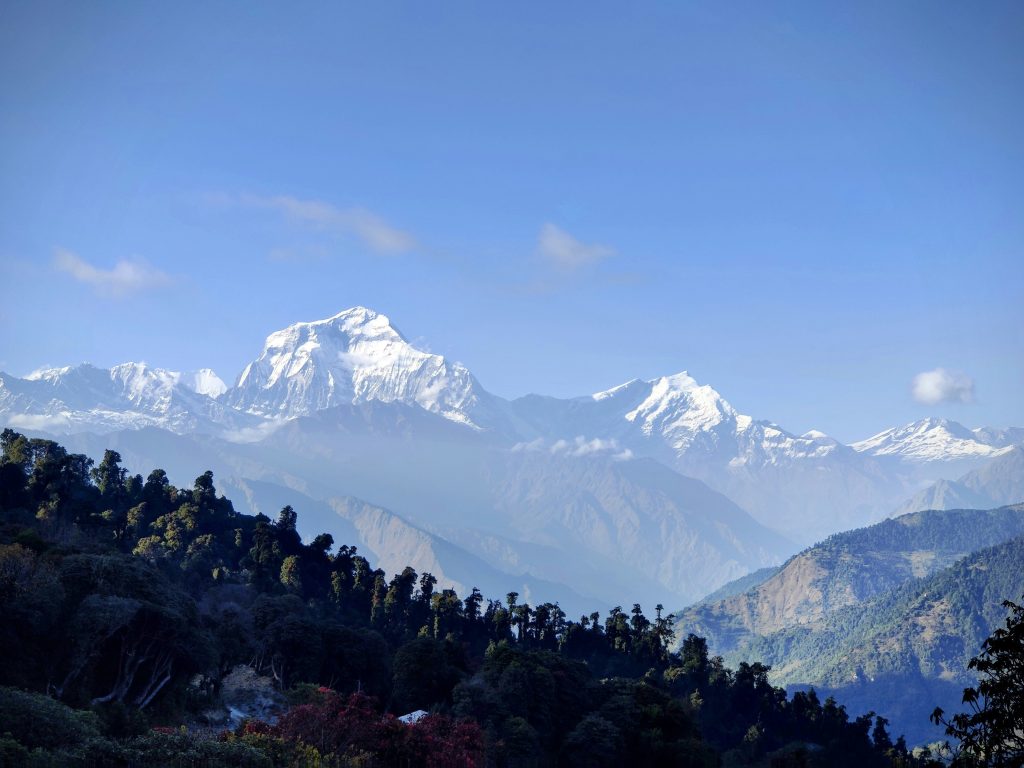
Attractions of the Khopra Ridge Trek
💠 Khopra Ridge
A breathtaking viewpoint with 360-degree panoramic views of the Annapurna and Dhaulagiri Himal ranges. The isolated ridge is a tranquil alternative to more crowded trekking routes, with a lodge that is community-run to encourage sustainable tourism. The ridge is an ideal spot to witness breathtaking sunrises and sunsets over the Himalayas.
💠 Khayer Lake
A sacred alpine lake at an altitude of 4,500m, considered to have religious significance among Hindus. The glacial waters of the lake reflect the peaks that surround it, creating a serene and spiritual ambiance. The path to the lake is challenging but rewards trekkers with isolation and pristine nature.
💠 Ghandruk Village
A cultural hub of the Gurung, renowned for traditional stone villages, monasteries, and ancient ruins. Their very own museum provides an overview of their unique customs, dress, and way of life. Local dances and festivals like Tamu Lhosar can be observed there, which they celebrate amidst feasts and music.
💠 Dobato & Rhododendron Forests
The major viewpoint on the trail, where Dhaulagiri (8,167m) appears for the very first time. The route passes through one of the biggest rhododendron forests in the world, home to bright Himalayan birds and naughty Langur monkeys. In springtime, the forest is painted red, pink, and white flowerbed and therefore a sight of awe.
💠 Swanta Village
A remote Magar village, a glimpse of rural Himalayan life. It is renowned for its organic farms, yak grazing pastures, and traditional cheese production. The Magar people celebrate Ghatu Nach, a dance festival to greet the onset of spring, which reflects their rich cultural heritage and oral storytelling tradition.
💠 Community-Run Lodges
The trek is unique for its sustainable tourism model, where trekkers stay in community-run lodges owned by locals. This encourages education, infrastructure, and local livelihoods, and offers a true cultural experience with home-cooked meals and traditional hospitality.
Accessibility
The Khopra Ridge Trek is located in the Annapurna region of central Nepal, offering a less crowded and more immersive trekking experience compared to the popular routes. The journey begins in Pokhara, Nepal’s second-largest city and a hub for adventure tourism, known for its serene lakes, rich culture, and stunning landscapes.
𖥟 By Air
The quickest option to the trailhead is a 25-minute local flight from Kathmandu to Pokhara, the adventure capital of Nepal. The flight offers breathtaking scenery of Machhapuchhre (6,993m) and the Annapurna Massif. Weather can delay flights, so flexibility is advisable.
𖥟 By Road
Alternatively, a 6–7-hour road journey from Kathmandu to Pokhara along the Prithvi Highway provides travelers with riverside scenery, terraced fields, and rural villages. From Pokhara, a 2-hour drive through scenic roads takes one to Syauli Bazaar, the beginning of the trek, where the trail gradually rises towards Ghandruk, a cultural Gurung village. Both routes provide an easy transition into Nepal’s trekking landscape, offering a balance of ease and scenery.
Amenities
✻ Accommodation
Khopra Ridge Trek offers diverse accommodations from urban hotels to teahouses. Trekkers are offered decently furnished private bathrooms with city hotels, internet, restaurants, and hot showers in Pokhara and Kathmandu. Lakeside tea houses in Pokhara, complete with spa for relaxation as well as viewing of mountains, are also made available. There are twin-sharing rooms, blankets, and home food at teahouses along the way. Lower villages like Ghandruk and Tadapani also offer nice lodges with good internet connectivity. Plain but comfortable stays at Dobato and Chistibung with very little electricity. There is a community lodge at Khopra Ridge (3,660m) with panoramic views. Family-owned teahouses at Swanta and Hile with food prepared fresh locally, providing one with an authentic mountain experience.
✻ Food & Water
Trekkers enjoy fresh, high-calorie food on the trail. Dal Bhat (rice, lentils, vegetables) and Thukpa (Tibetan noodle soup) are staples, with Tibetan bread and yak cheese. Locally produced, organic foods provide slow-burning energy for long days of hiking. There is drinking water available at teahouses, but trekkers need to carry purification tablets or filters for safety reasons. Although there is occasionally bottled water available, the utilization of refill points makes the environment more sustainable. Adequate consumption of boiled or filtered water needs to be taken to prevent altitude sickness and should be consumed generously on the trek.
✻ Electricity & Charging Facilities
Electricity is available only up to Pokhara (822m) and is very limited at high altitudes. The majority of teahouses are solar-power-based, with the cost of charging devices included on top. Lower-elevation villages of Ghandruk (1,940m) and Tadapani (2,630m) boast improved electricity connections, but trekkers start losing power points as they rise towards Khopra Ridge (3,660m). It is worthwhile to carry a power bank or solar charger for prolonged use. Cloudy conditions may also cut down charging power, so worth carrying extra camera batteries and power-saving equipment.
✻ Mobile Network & Internet Connectivity
Mobile coverage is available in Kathmandu (1,350m), Pokhara (822m), and lower sections of the trek, but decreases beyond Ghandruk (1,940m). Wi-Fi from some teahouses at Dobato (3,420m) and Khopra Ridge (3,660m), but speeds are slow and spasmodic. Trekkers may download maps offline and take a satellite phone as a backup. Internet users also need to inform family and friends of potential connectivity delays. Offline GPS apps like Maps. GPS can be useful for navigation, as signal loss is common in high-altitude areas.
✻ Health & Medical Facilities
Safety is a top priority. Leaders carry first-aid kits with them, although there are scant medical facilities en route. Clinics are only at Ghandruk (1,940m) and Pokhara (822m). In the case of serious high-altitude illness or other problems, evacuation can be by helicopter, under overall comprehensive travel insurance. Trekkers should imbibe sufficient liquids, take reasonable paces, and acclimatize satisfactorily. For post-trek recovery, Tatopani’s (1,190m) natural hot springs (optional detour) help soothe sore muscles. Carrying basic medications for headaches, nausea, and stomach discomfort is advisable.
Echoes Of The Local
High on the Khopra Ridge, where clouds are worn by mountains and air is scarce, lies Khayer Lake—a black ice lake surrounded by skeleton stumps of juniper trees. It’s unearthly, villagers say. It’s Narak ko Dwar, the Underworld’s gate, and they speak of its waters in hushed tones not being filled with water but air.
Long ago, a Gurung shaman named Lakpa set out on the Night of Silent Moons when no star is able to pierce the sky. He swore that he heard noises from behind the ice—rescue cries, laughter, ringing of impossibly far markets. He pressed his ear to the ice, and the ice creaked open wide, showing a winding staircase that led down into the dark. He traveled down to an obsidian city filled with faceless shadow-folk, the Chhaya-Manas. They offered him a gift: a vial of “eternal breath” so he wouldn’t breathe and live. When Lakpa returned to his village, however, all the folks who listened to him tell it perished a week later, their lungs congested with black water.
Shepherds to this day attested to the lake’s breathing. They encircle bells around the necks of the goats and pray that the ringing distracts the shadows from whispering. Mindless creatures continue to pursue the Golden Sheep, an animal that grazes on the edges of lakes. Its fleece is liquid light, its eyes harbor galaxies. The one who follows it loses it—but not memory. An Austrian hiker, Elena, vanished in 2017; the sole legible entry on her water-ruined, icily glazed diary read this one: “The sheep took me to the door. It is warm inside. They are calling my name.”
Inclusion and Exclusion
Inclusions & Services Provided
☑ Full-Board Meals – Enjoy wholesome and energy-dense meals (breakfast, lunch, and dinner) daily, specially designed for high-altitude trekking.
☑ Daily Beverages – Stay hydrated with four rounds of tea or coffee daily, including morning, mid-day, afternoon (with light snacks), and evening.
☑ Evening Treats – Fresh seasonal fruits served post-dinner for a healthy and satisfying end to your meals.
☑ Comfortable Accommodation – Stay in comfortable, well-maintained teahouses along the trail, offering warmth, hospitality, and stunning mountain views.
☑ Professional Trekking Support – Hike with a licensed, insured, and experienced guide, along with porter support (1 porter between 2 trekkers) for a seamless and enjoyable trek.
☑ Effortless Transfers & Permits – Private vehicle transfers and all trekking permits (Sagarmatha National Park, Khumbu Rural Municipality) arranged for your convenience.
☑ Safety & Health Monitoring – Daily oxygen level and heart rate monitoring, first-aid kit, and helicopter arrangement in an emergency (insurance paid) for your safety.
☑ All-Inclusive Pricing – Govt. taxes, service charges, and an assistant guide for a group of 5+ trekkers for a hassle-free experience.
☑ Lifetime Deposit Policy: Secure your spot with a lifetime deposit, allowing you to postpone or reschedule your trek without losing your booking deposit
☑ Free Booking: Secure your trek without any initial payment, allowing you to organize and finalize your trip at your convenience—no risk, no pressure.
Exclusions: What’s Not Included
☒ Pre-Trek Arrangements – Accommodation and meals in Kathmandu before and after the trek are not included.
☒ Visa & Entry Fees – Nepal entry visa fees must be arranged separately ($50 for a 30-day visa, payable on arrival).
☒ Insurance – Travel, trekking, and medical insurance are mandatory for safety and emergency evacuation coverage.
☒ Travel Costs – International airfare to and from Nepal is not included in the package.
☒ Beverages & Personal Expenses – Alcoholic and non-alcoholic drinks, snacks, souvenirs, and other personal expenses are at the trekker’s discretion.
☒ Teahouse Amenities – Hot showers, Wi-Fi, and battery charging at teahouses are available at an extra cost.
☒ Gratuities – Tips for guides, porters, and drivers are not included but are customary and highly appreciated.
We cover all the essential aspects of your trek so you can focus entirely on the adventure. These exclusions ensure transparency, allowing you to plan accordingly for a smooth and well-prepared experience in the Himalayas.
Permits and Regulations for the Khopra Ridge Trek
Required Permits
🔸 To trek in the Khopra Ridge region, obtaining the following permits is mandatory:
✔ Annapurna Conservation Area Permit (ACAP)
🔸 Required for all trekkers to access the Annapurna Conservation Area. This permit supports conservation efforts and local infrastructure.
✔ Trekkers’ Information Management System (TIMS) Card
🔸 Ensures the safety and monitoring of trekkers in the region.
Permit Fees
✔ ACAP
🔸 USD 30 per person.
✔ TIMS
🔸 USD 20 per person (independent trekkers) / USD 10 per person (group trekkers).
🔸 Permit fees are subject to change based on government policies.
Where to Obtain Permits
🔸 Permits can be obtained from the Nepal Tourism Board offices in Kathmandu or Pokhara.
🔸 Registered trekking agencies can also facilitate the permit process.
Trekking Regulations
🔸 Trekkers must carry their permits and TIMS cards at all times for verification at checkpoints.
🔸 Entry into the Annapurna Conservation Area is restricted without a valid permit.
🔸 Environmental conservation is strictly enforced – littering and destruction of natural surroundings are prohibited.
🔸 Solo trekking is discouraged in remote sections of the trail for safety reasons.
🔸 Minimize plastic waste by using refillable water bottles and avoiding disposable plastics.
🔸 Respect local customs and traditions to maintain the cultural integrity of the region.
Essential Advice for Trekkers
⦿ Acclimatize Properly
Ensure you take time to acclimatize to high altitudes to avoid altitude sickness. Stick to the principle of “climb high, sleep low.”
⦿ Stay Hydrated
Drink plenty of water throughout the trek. Dehydration can significantly affect your performance and overall well-being at high altitudes.
⦿ Pack Light, But Smart
Only carry the essentials. Prioritize warm clothing, a reliable pair of hiking boots, and a good-quality sleeping bag for higher altitudes.
⦿ Physical Preparation
Focus on cardiovascular and strength training exercises to build stamina. Practice hiking with a backpack to simulate trek conditions.
⦿ Mind Your Footwear
Invest in high-quality, comfortable hiking boots. Well-fitted boots are essential for tackling the rugged terrain.
⦿ Embrace Local Culture
Respect local traditions and customs. Positively engage with the local community and learn about their culture for a richer experience.
⦿ Be Prepared for the Weather
Weather conditions in the Himalayas can be unpredictable. Always bring layered clothing and be prepared for sudden temperature changes.
⦿ Follow Leave No Trace Principles
Help preserve the environment by minimizing your impact on nature. Respect wildlife and dispose of trash responsibly.
⦿ Listen to Your Body
If you feel unwell or fatigued, don’t push yourself. Rest and adjust your schedule if necessary. Remember, safety comes first.
⦿ Travel with a Licensed Guide
For safety and smoother navigation, hire an experienced, licensed trekking guide who knows the route and the terrain well.
Why Himalayan Explore Line?
🔶 Safety & Expert Guidance
Led by government-licensed guides with first-aid and crisis-management expertise.
Daily oxygen-level and altitude safety health check-ups.
Emergency response and evacuation protocols always ready.
🔶 Smooth Logistics
Essential permits and private transfers arranged in advance.
Pre-booked lodges/teahouses with verified hygiene and comfort.
Gear rentals and porter services streamlined for convenience.
🔶 Cultural & Scenic Sophistication
Immerse in Himalayan villages, ancient monasteries, and local traditions.
Trails showcasing iconic peaks, pristine valleys, and biodiverse forests.
Cultural interactions, from tea ceremonies to folklore storytelling.
🔶 Luxury Nutrition
Energy-providing nutritious meals at high altitudes.
Vegetarian, vegan, and allergy-free meal choices.
Tea/coffee break daily with local sweets.
🔶 Clear Pricing
Unambiguous packages without additional charges.
Ethical operation: fair labor practices, sustainable operations.
Inquiries and modifications available 24/7.
Our Commitment
We deliver secure, culturally enhancing Himalayan journeys with meticulous logistics, allowing you to immerse yourself in the experience.
Terms and Condition
Reservation and Payment
To confirm your booking, a 30% non-refundable deposit is required. The remaining balance can be paid before your trip. We recommend confirming your reservation before arriving in Nepal to help us plan your journey smoothly.
Payments can be made via digital wallet, credit card, or bank transfer (processing fees may apply). A 4% surcharge applies to all card payments, including deposits and other transactions. Bookings are only confirmed once you receive a Client Confirmation Letter from us. To receive this, you must complete the booking form with accurate details such as your name, contact info, and travel dates.
Policy on Cancellations and Refunds
By Client:
-
More than 2 months before departure: 80% refund
-
2 months to 29 days before: 70% refund
-
Less than 15 days before: 50% refund
-
Less than 7 days before: 50% credited toward a future trip (non-refundable if unused)
We strongly recommend purchasing cancellation insurance at booking. No refunds will be issued if you cancel after the trip has started, including for unused services like accommodation, transport, meals, or activities.
By Company:
If Himalayan Explore Line must cancel a trip due to unforeseen circumstances—such as natural disasters, flight cancellations, strikes, civil unrest, illness, quarantine, government restrictions, or severe weather—you will be offered an alternative trip of equal value and features, agreed upon mutually.
Please note that major changes do not include adjustments to airline carriers, flight schedules, or itineraries, provided the departure and return dates remain unchanged. Similarly, changes to hotel accommodations are not considered major as long as they are within the same category.
Itinerary Changes:
Weather in high-altitude areas is unpredictable, and domestic flight delays at the start or end of the trip may lead to itinerary changes. Flexibility is essential, as local conditions can affect plans, accommodations, or transport on short notice.
Clients are responsible for any extra costs caused by delays, natural disasters, or if alternative arrangements (e.g., helicopter flights) are chosen. These changes are binding, and any additional expenses beyond our control will be the client’s responsibility.
Insurance:
Himalayan Explore Line does not provide travel insurance. Clients must secure insurance covering high-altitude emergencies, medical costs (including pre-existing conditions), repatriation, trip delays, cancellations, and personal liability. Proof of insurance is mandatory. The company reserves the right to cancel your participation without a refund if valid insurance cannot be provided upon request.
Acceptance of Terms:
By booking with Himalayan Explore Line, you agree to the terms and conditions, including any updates. It is your responsibility to stay informed and comply with any changes.